




Waqrapukara: The Horned Fortress of the Apurimac Canyon
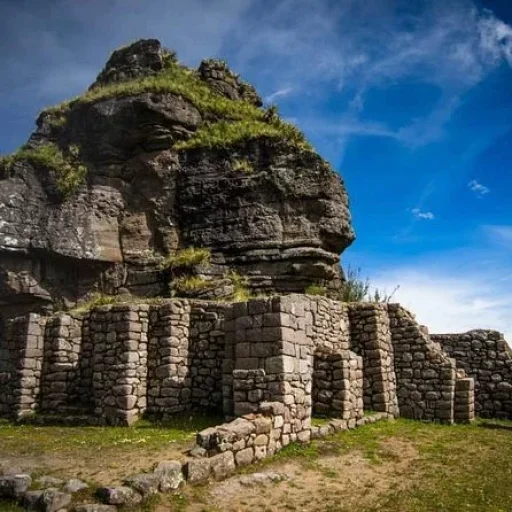
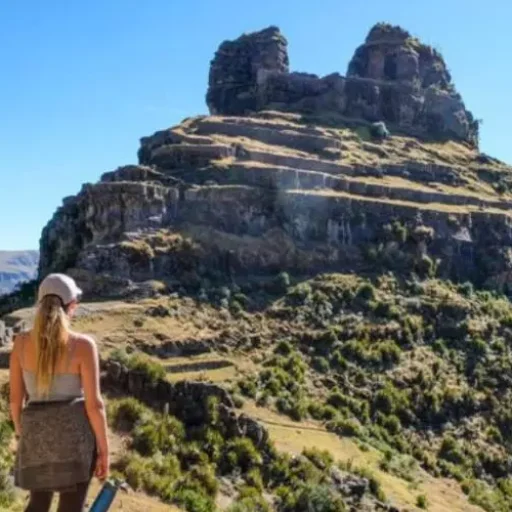
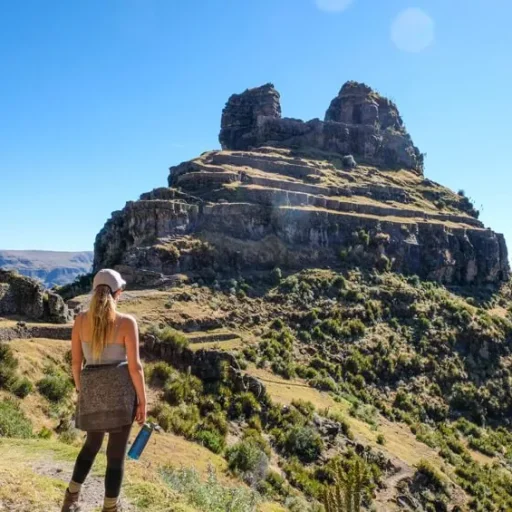
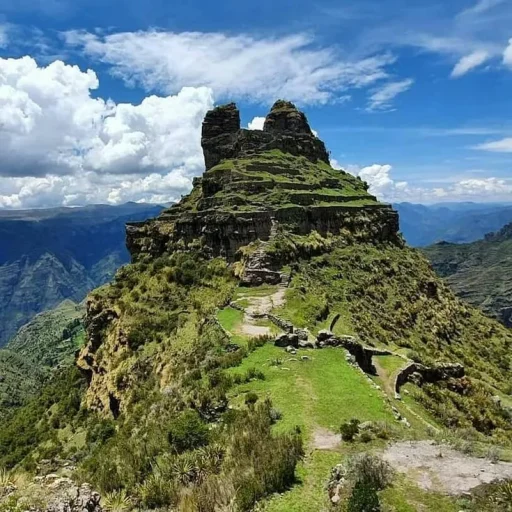
Imagine a stone citadel carved into a towering, isolated rock pinnacle, perched on the absolute edge of a vertiginous canyon, and crowned by two massive stone horns piercing the Andean sky. This is not a location from a high-fantasy novel; this is Waqrapukara. For decades, while the world directed its gaze toward the famous lost city of the Incas, this jaw-dropping architectural and geological marvel remained hidden in plain sight, protected by the deep, sheer cliffs of the Apurimac River canyon. Originally built by the fierce Qanchi culture and later absorbed by the Incan empire, this site served as both an impenetrable fortress and a profound astronomical sanctuary. With INCA ROCA TRAVEL, we invite you to leave the tourist crowds far behind and embark on an authentic, wild expedition to a place where the wind howls, condors soar at eye level, and the landscape feels entirely unconquered.
What Includes?
- Expert Wilderness Guide: A certified, bilingual mountain guide (English/Spanish) with deep knowledge of Qanchi and Inca history, carrying emergency oxygen and a comprehensive first-aid kit.
- Premium Off-Road Transport: Safe, rugged, and highly comfortable transportation capable of navigating the remote, unpaved high-altitude mountain roads safely.
- Nutritious Highland Meals: A hot, energy-packed breakfast before the hike and a substantial, restorative buffet lunch upon finishing the trek (vegetarian and vegan options available upon request).
- Trekking Poles: Professional, adjustable walking sticks to provide critical stability against the high-altitude winds and uneven, rocky terrain.
Book Now
$ 89.00
per person
Destinations
Meals
Map
Waqrapukara: The Horned Fortress of the Apurimac Canyon
Itinerary
Because of its extreme remoteness, the journey to Waqrapukara is an adventure in its own right, taking you through sweeping highland plains before delivering one of the most dramatic architectural reveals in all of South America.
- The Southern Valleys and a Highland Dawn Our expedition begins under the stars, departing Cusco and driving deep into the southern Andes. We will navigate through awakening rural provinces until we reach a quiet, traditional Andean village—often Cusipata or Sangarará. Here, as the first light breaks over the mountains, we will step into a local dining room for a robust, hot highland breakfast. This meal is essential, fueling your body with local carbohydrates and warm coca tea to prepare for the high-altitude winds and the demanding hike ahead.
- The Trek Across the Puna After breakfast, our transport climbs a winding dirt road to the trailhead, leaving modern civilization behind. You will step out into the puna—the rugged, high-altitude Andean steppe covered in golden ichu grass. The trek begins with a steady, undulating hike across vast, open landscapes. You will pass tranquil, mirror-like highland lagoons, grazing herds of alpacas, and perhaps catch a glimpse of wild vicuñas. The isolation here is absolute; you will likely hear nothing but the crunch of your boots and the rushing mountain wind.
- The Dramatic Reveal of the Apurimac Canyon After a few hours of hiking across the rolling plains, the earth suddenly, dramatically falls away. You will find yourself standing at the rim of the Apurimac Canyon, one of the deepest river canyons in the Americas. And there, rising defiantly from the abyss, is Waqrapukara. The sight is staggering. The complex is built around a monolithic, horned rock formation, with masterfully constructed stone terraces clinging impossibly to the sheer cliff sides, dropping thousands of feet down to the roaring river below.
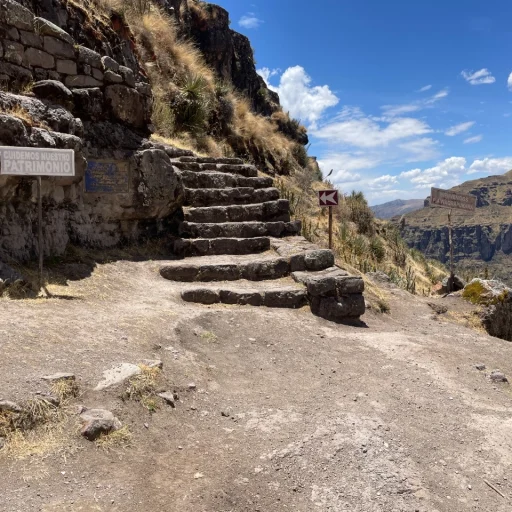
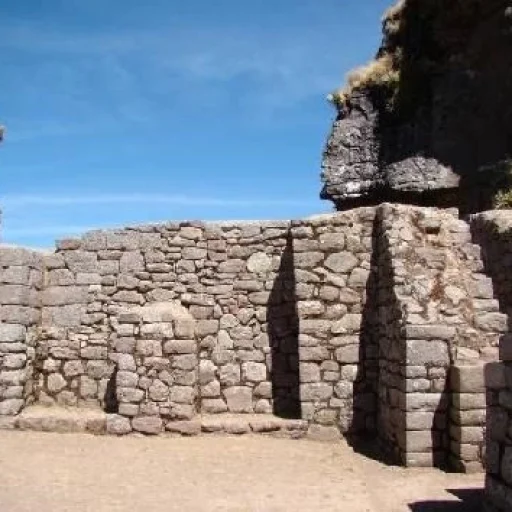
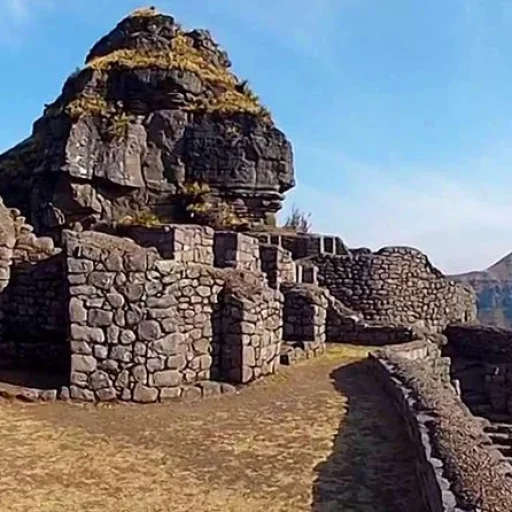
- Exploring the Horned Sanctuary and the Qanchi Rebellion We will descend the ancient stone stairs right into the heart of the fortress. As you explore the intricate plazas, ceremonial enclosures, and the perfectly carved triple-jamb niches (a sign of immense religious importance), your guide will bring the stones to life. You will learn the epic legend of T’ito Qosñipa, the fearless Qanchi leader who used this very fortress to stage a massive, prolonged rebellion against the mighty Incan Emperor Huayna Capac. Standing on these terraces, leaning against the wind, you will understand exactly why this fortress was deemed impenetrable.
- The Return and the Celebratory Feast After thoroughly exploring the ruins, taking in the dizzying views, and enjoying a well-earned rest at the sanctuary, we will begin our hike back across the plains to the trailhead. Returning to our transport, we will drive down to a local community where a deeply satisfying, hot buffet lunch awaits us. We will celebrate the day's adventure with authentic Peruvian highland cuisine before beginning the scenic, relaxing drive back to Cusco, arriving as the evening lights begin to glow.
What Not Includes?
- Community Entrance Fee: The local environmental and maintenance fee required by the rural communities that protect the site (paid directly in cash at the checkpoint).
- Horse Rental: If you prefer not to hike the entire distance, local community members often rent horses for portions of the trail. This is optional and must be negotiated and paid in cash directly to the locals.
- Gratuities: Optional tips to show your appreciation for the hard work of your guide, driver, and local cooks.
- Personal Trail Gear: Additional energy bars, specialized hydration drinks, or personal trekking gear.
Recomendations
-
Mandatory Acclimatization: The fortress sits at approximately 4,140 meters (13,580 feet) above sea level, and the hike involves constant elevation changes. Spending at least two to three days acclimatizing in Cusco is absolutely necessary before attempting this trek.
-
Prepare for the Wind: Because Waqrapukara sits on the edge of a massive canyon, the updrafts and mountain winds can be fierce and freezing. A high-quality, windproof outer shell, a warm beanie, and insulated gloves are crucial.
-
Aggressive Footwear: The trail is rocky, dusty, and features steep stone stairs at the ruins. Sturdy, broken-in hiking boots with excellent ankle support and deep tread are non-negotiable.
-
Sun and Hydration: The combination of extreme altitude and wind can cause rapid dehydration and severe sunburn, even if you feel cold. Bring a large water reservoir (at least 2 liters), high-SPF sunscreen, polarized sunglasses, and a hat.
-
Bring Soles: The remote communities along the route operate exclusively in cash. Bring Peruvian Soles in small denominations to cover the entrance fee, a horse rental if desired, or small snacks.
Gallery