



The South Valley: A Masterclass in Three Empires
While the majority of travelers instinctively head north toward the crowded ruins of the Sacred Valley, the true connoisseurs of Andean history travel south. Welcome to the South Valley—a breathtaking, less-traveled corridor that offers something no other region in Cusco can: a perfectly preserved, chronological journey through three distinct, monumental eras of Peruvian history. With INCA ROCA TRAVEL, you will not just look at old stones; you will trace the evolution of civilization in the Andes. In a single expedition, we will explore the rigid urban grids of a pre-Inca empire, listen to the flawlessly engineered water channels of an Incan agricultural sanctuary, and stand in awe beneath the gold-leaf ceilings of a colonial masterpiece.
What Includes?
- Expert Local Guide: A highly knowledgeable, bilingual historian-guide (English/Spanish) capable of flawlessly weaving the narratives of the Wari, Inca, and Colonial eras together.
- Premium Transport: Comfortable, spacious, and climate-controlled transportation, providing a relaxing ride through the scenic southern corridor.
- Seamless Logistics: Convenient pick-up and drop-off directly from your centrally located hotel in Cusco.
Book Now
$ 89.00
per person
Destinations
Meals
Map
The South Valley: A Masterclass in Three Empires
Itinerary
This expedition is meticulously paced to feel like stepping into a time machine, moving from the ancient, to the imperial, and finally to the colonial, all set against the backdrop of tranquil lakes and rolling Andean hills.
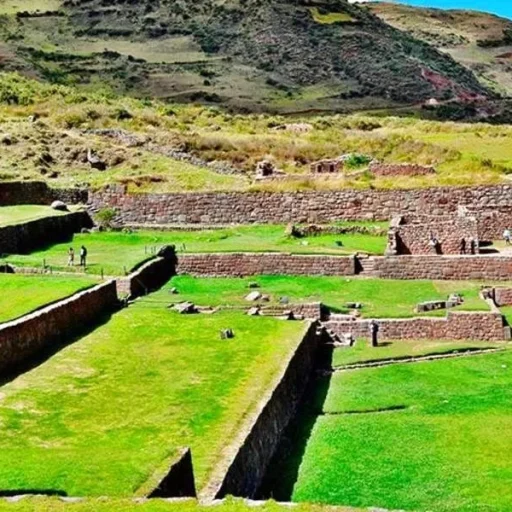
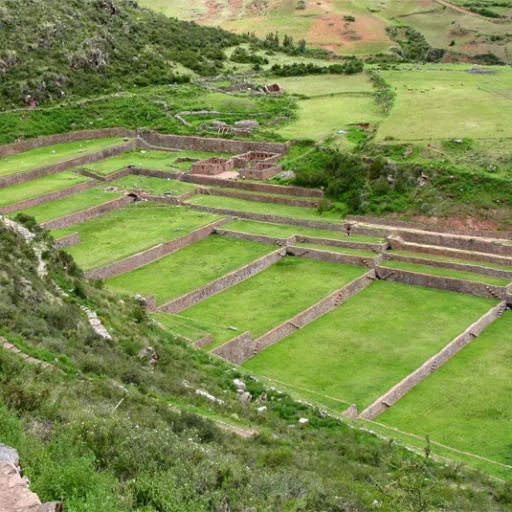
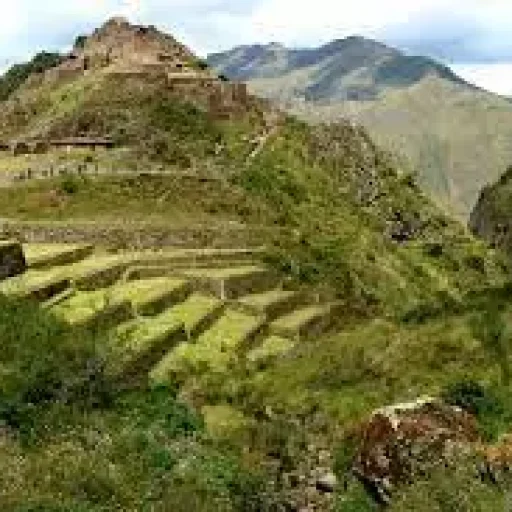
- The Temple of Water: Tipón Our journey begins with the pinnacle of Inca hydro-engineering. As we step into the archaeological complex of Tipón, the first thing that strikes you is not the visual scale of the terraces, but the soothing, continuous sound of running water. Here, the Incas transformed a natural spring into an agricultural and spiritual masterpiece. Your guide will walk you through the perfectly sweeping, curved terraces that mirror the natural contours of the mountain. You will witness ancient, precision-carved stone aqueducts and fountains that are still flowing perfectly today, hundreds of years after their creators vanished. It is a profound demonstration of the Inca philosophy of harmony between architecture and nature.
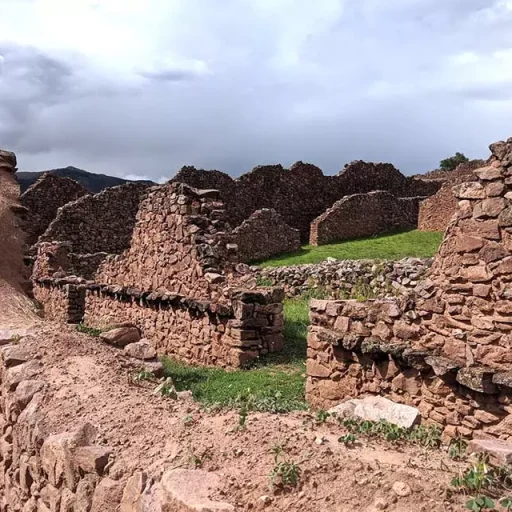
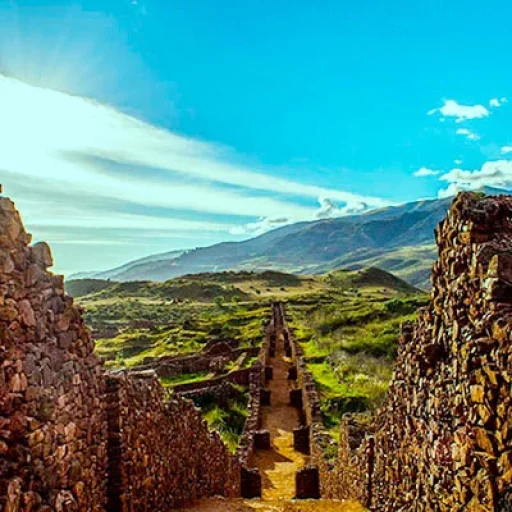
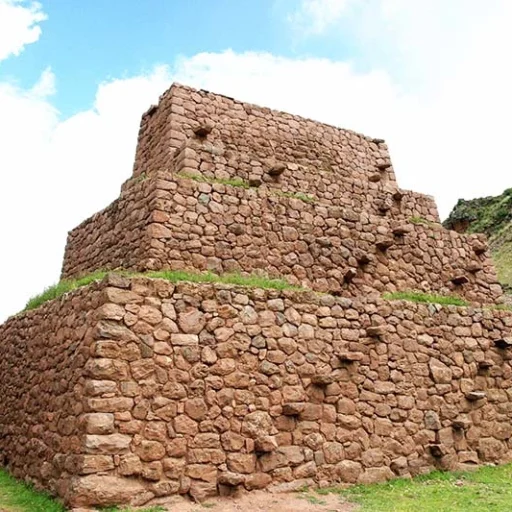
- The Grid City of the Wari: Pikillacta Leaving the organic, flowing lines of the Incas behind, we drive further south and back in time to the Wari Empire. Predating the Incas by several centuries, the Wari were the first true expansionist empire of the Andes. As we enter the massive, sprawling city of Pikillacta, the architectural contrast is jarring and fascinating. Gone are the curved terraces and mortarless stones; instead, you will walk through a vast, highly rigid, geometric grid of tall, stucco-covered walls and straight avenues. Your guide will help you visualize what was once a bustling, heavily fortified administrative hub that housed thousands of people, explaining how the Wari's rigid urban planning deeply influenced the Incas who conquered them later.
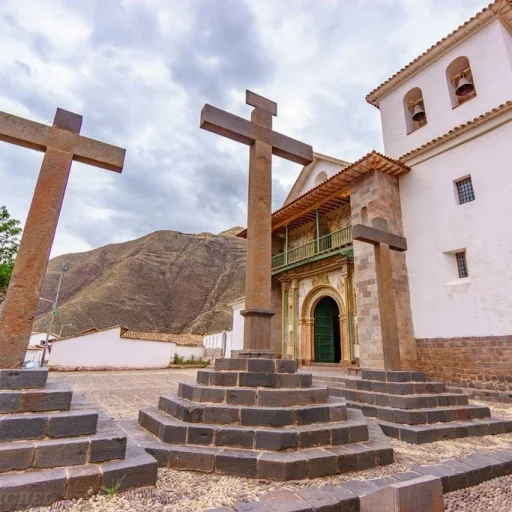
- The Sistine Chapel of the Americas: Andahuaylillas Our final historical stop brings us into the era of the Spanish conquest. We arrive at the quiet, picturesque village plaza of Andahuaylillas. Standing before the Church of San Pedro Apóstol, you might be underwhelmed—it appears to be a very humble, simple whitewashed chapel with a modest balcony. But step through its heavy wooden doors, and the interior will leave you speechless. Known as the "Sistine Chapel of the Americas," the inside is a sensory overload of brilliant, vibrant frescoes covering every inch of the walls, and a spectacular ceiling coated entirely in dazzling gold leaf. Your guide will decode the complex murals, showing you how indigenous artists secretly blended their Andean beliefs with Catholic teachings.
- The Gastronomic Route: Oropesa and Saylla As we conclude our historical explorations and begin the scenic drive back to Cusco, we will pass through towns famous for their culinary heritage. We will make a brief, fragrant stop in Oropesa, proudly known as the "National Capital of Bread," where you can taste the famous, massive Pan Chuta baked in traditional wood-fired ovens. We will also pass through Saylla, a village renowned across the region for its traditional chicharrones (crispy fried pork), giving you a brief, delicious glimpse into modern Andean daily life before we return you to your hotel.
What Not Includes?
- Boleto Turístico (Tourist Ticket): You will need the Partial or General Tourist Ticket to enter the archaeological sites of Tipón and Pikillacta.
- Church Entrance Fee: The specific admission ticket for the Church of Andahuaylillas is not included and must be paid at the door.
- Meals and Beverages: Food is not included, though you will have the opportunity to purchase traditional bread or snacks along the route.
- Gratuities: Optional tips to show appreciation for the excellent service of your guide and driver.
Recomendations
- Enjoy the Lower Altitude: The South Valley is relatively gentle in terms of altitude and physical exertion, making it a fantastic half-day option for your first or second day in Cusco while you are still acclimatizing.
- Camera Rules: While Tipón and Pikillacta offer incredible outdoor photography, please be aware that photography and video are strictly prohibited inside the Church of Andahuaylillas to protect the ancient frescoes.
- Dress for Comfort: The weather in the valley is often warmer and sunnier than in the city of Cusco. Dress in light, breathable layers, but bring a light jacket or sweater for the cooler interiors and the late afternoon return.
- Sun Protection: Even on cloudy days, the high-altitude sun is strong. A hat, polarized sunglasses, and sunscreen are highly recommended as there is very little shade at Pikillacta.
- Carry Small Cash: Ensure you bring Peruvian Soles in small denominations. You will need cash to purchase your entrance ticket for the church, as well as to buy warm Pan Chuta directly from the local bakers in Oropesa.
Gallery